The best wireless trailer brake controllers make it easier to manage trailer braking without committing to a complicated permanent installation. Bluetooth setup, proportional braking, and app-based adjustments can improve control while keeping your tow vehicle’s cabin uncluttered.
We compared 10 popular options across plug-in, under-dash, in-line, and integrated designs to help you match the controller to your trailer, vehicle, towing frequency, and preferred setup.
Best 10 Wireless Trailer Brake Controllers Picks for 2026
Best Portable Pick
CURT Echo Mobile Bluetooth Controller

- Portable between compatible vehicles
- No-tool 7-way installation
- Proportional braking for 1-2 axles
Best For: Multi-vehicle towing with a powered 7-way connector
Best OEM-Style Option
Tekonsha Prodigy iD Smart Controller

- Bluetooth smartphone configuration
- Supports 1-4 axles
- In-dash display and rotary knob
Best For: Clean, integrated installations with app-based control
Best Manual-Override Kit
CURT Echo Kit with Manual Button

- Includes physical manual override
- Tool-free 7-way installation
- Keeps braking active through phone interruptions
Best For: Portable towing where quick manual activation matters
Best Advanced Control
REDARC Tow-Pro Link Controller
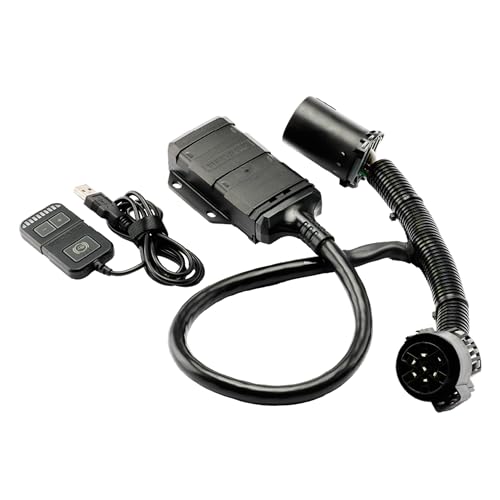
- Dual on-road and off-road braking modes
- 6-axis sensing with sway control
- Remote, app, CarPlay, and Android Auto control
Best For: Advanced towing across road, off-road, and varied trailer conditions
Best App-Controlled Pick
CURT Echo Under-Dash Proportional Controller

- Bluetooth smartphone control
- Triple-axis proportional braking
- Supports 2–8 brakes
Best For: App-based control across multiple trailer profiles
Best Portable Value
Diyeeni 51180 Wireless Brake Controller
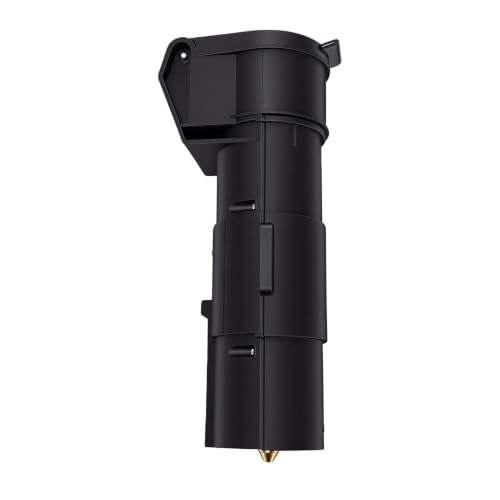
- Portable 7-way plug-in design
- App-based gain and status control
- Supports 1–2 axle trailers
Best For: Drivers moving a controller between compatible tow vehicles
Best Weather-Ready In-Line Pick

- Waterproof enclosure
- USCAR in-line connection
- Bluetooth app control
Best For: Weather-exposed towing setups using an existing 7-way socket
Smart Bluetooth Pick
Portable 1-2 Axle Wireless Controller
- Bluetooth app control for iOS and compatible devices
- Proportional braking for up to four brakes
- Portable plug-and-play setup with memory function
Best For: Frequent towing with compatible 1- or 2-axle trailers
Rugged Plug-In Choice
Waterproof Bluetooth Trailer Controller

- Direct 7-way RV blade plug installation
- Memory, waterproofing and circuit protection
- Supports multiple towing profiles through an app
Best For: RV and fleet users needing a transferable, protected controller
Everyday Towing Option
App-Controlled Proportional Controller

- Quick 7-way plug-in installation
- Bluetooth app adjustment and monitoring
- Motion-sensing proportional braking
Best For: RV and utility-trailer owners wanting non-permanent setup
Best Portable Pick – CURT Echo Mobile Bluetooth Controller
For drivers comparing wireless trailer brake controllers, the CURT Echo is a highly portable option that plugs between a compatible vehicle and trailer 7-way connector. It avoids under-dash wiring when the vehicle supplies the required power and ground, while Bluetooth app control handles setup and adjustments.
Best For: Towing 1- to 2-axle trailers with multiple vehicles and a compatible powered 7-way connector.
Pros:
- Transfers between vehicles without under-dash wiring or tools.
- Triple-axis accelerometer provides proportional braking.
- Continues using programmed settings if Bluetooth communication is lost.
- Works with cruise control, ABS, and low-voltage/PWM systems.
Cons:
- Requires active 7-way power, ground, and turn-signal circuits; some vehicles need tow/haul mode or load detection.
- App control and notifications require communication with the phone.
- Supports only 1-2 axles, or 2-4 brakes.
The Echo is a practical choice when portability and a no-tools installation matter most. Verify the vehicle’s 7-way power circuit and test braking before towing.
Best OEM-Style Option – Tekonsha Prodigy iD Smart Controller
The Tekonsha Prodigy iD is one of the more integrated wireless trailer brake controllers, combining smartphone configuration with an in-dash OEM-style design. Its front-facing display provides settings, diagnostics, and alerts, while a vehicle-specific wiring harness supports the behind-the-dash installation.
Best For: Drivers who want app-based adjustments and a clean, semi-integrated dashboard appearance for trailers with 1-4 axles.
Pros:
- Bluetooth control works with Apple or Android smartphones and tablets.
- Supports trailers with 2-8 brakes, or 1-4 axles.
- Color LED display shows settings, diagnostics, and alerts.
- In-dash rotary knob keeps the interior tidy while the power module sits behind the dash.
Cons:
- Vehicle-specific Tekonsha Plug & Play wiring harness is sold separately.
- Vehicle compatibility should be verified before purchase.
- Its behind-the-dash design is less portable than a plug-in controller.
The Prodigy iD suits buyers seeking wireless configuration without leaving the controller fully exposed. Check vehicle fitment and budget for the required harness before ordering.
Best Manual-Override Kit – CURT Echo Kit with Manual Button
CURT 51181 Echo Kit - Echo Mobile Trailer Brake Controller with Bluetooth® & Manual Override Button
Check Price On AmazonThe CURT Echo Kit adds a dedicated manual override button to a portable wireless trailer brake controller. It plugs into a 7-way connector without extra wiring or tools, then connects to a smartphone for setup while retaining braking operation if the phone is locked, receives a call, or loses Bluetooth.
Best For: Drivers who want portable wireless control plus a physical manual-activation button for 1- to 2-axle trailers.
Pros:
- Installs by plugging into a 7-way connector with no tools or extra wires.
- Includes a dedicated manual override button and dash adhesive pad.
- Triple-axis sensing provides responsive braking.
- Transfers between vehicles and trailers and supports cruise control, ABS, and low-voltage systems.
Cons:
- Limited to trailers with 1-2 axles, or 2-4 brakes.
- Requires a compatible 7-way connector and smartphone for app-based setup.
- The safety strap and locking tab must be used to keep the controller connected securely.
This kit is a strong fit when a physical override is preferable to phone-only interaction. Its portability is convenient, but confirm the tow vehicle provides a suitable 7-way connection.
Best Advanced Control – REDARC Tow-Pro Link Controller
The REDARC Tow-Pro Link stands out among wireless trailer brake controllers with two braking modes, a 6-axis sensor, and multiple control methods. A pre-paired USB-A remote provides direct access, while Bluetooth connects the controller to the app, Apple CarPlay, or Android Auto.
Best For: Truck, SUV, RV, camper, and boat towing where proportional road braking, off-road control, and sway assistance are useful.
Pros:
- Plug-and-play installation for most vehicles with a 7-pin connection.
- Everyday Mode provides proportional braking, while Manual Off-Road Mode enables user control.
- 6-axis sensing supports active calibration and SwayStop Plus sway correction.
- Offers remote, app, Apple CarPlay, and Android Auto control.
Cons:
- Its 1.59-pound controller kit is less compact than the CURT portable units.
- Compatibility is described as most 7-pin-equipped vehicles, so fitment should be confirmed.
- Advanced features may be more than needed for basic on-road towing.
The Tow-Pro Link is the most feature-rich choice here for varied towing conditions. Choose it when multiple interfaces, off-road braking, and sway-control capability justify a more involved system.
Best App-Controlled Pick – CURT Echo Under-Dash Proportional Controller
The CURT 51190 Echo is a wireless trailer brake controller designed for under-dash installation and smartphone control. Its triple-axis accelerometer provides proportional braking, while the app lets you adjust settings and monitor brake activity for trailers with 2 to 8 brakes.
Best For: Tow vehicles needing app-based control for one- to four-axle trailers.
Pros:
- Bluetooth connectivity provides smartphone control of brake settings.
- Triple-axis motion sensing supports smooth, responsive proportional braking.
- Stores multiple trailer profiles and supports 2 to 8 brakes.
Cons:
- Quick-plug harness is sold separately.
- Limited to a one-year manufacturer warranty.
The 51190 is a practical choice among wireless trailer brake controllers if you want flexible trailer profiles and app-based monitoring in an under-dash format.
Best Portable Value – Diyeeni 51180 Wireless Brake Controller
The Diyeeni 51180 is a portable wireless trailer brake controller that plugs into a standard 7-way RV socket and connects to a smartphone app. It supports 1- to 2-axle trailers, uses proportional braking, and retains its last settings if the phone screen goes dark or Bluetooth briefly disconnects.
Best For: Towing 1- or 2-axle trailers with a compatible 7-way socket and switching the controller between vehicles.
Pros:
- Plug-and-play 7-way design makes the controller portable between tow vehicles.
- App allows gain adjustment and live status monitoring.
- Includes motion sensing, reverse-polarity protection, and short-circuit protection.
- Sealed housing is designed to resist rain, snow, dust, and mud.
Cons:
- Requires a valid +12V power connection at the 7-way socket.
- Supports up to four brakes on two axles, fewer than some larger controllers.
With its portable plug-in design and safety-memory features, the 51180 suits drivers who want wireless trailer brake control without permanent wiring changes.
Best Weather-Ready In-Line Pick – CURT Echo In-Line Controller
The CURT 51200 Echo is an in-line wireless trailer brake controller that installs behind an existing 7-way socket using USCAR connectors. It combines smartphone adjustment with proportional braking and a waterproof enclosure designed to protect its circuits from the elements.
Best For: Towing setups that need an in-line, weather-protected controller with app-based operation.
Pros:
- Connects to a smartphone through Bluetooth for brake-setting adjustments.
- Triple-axis accelerometer supports responsive proportional braking.
- Waterproof enclosure helps shield the electronics from weather.
- Uses USCAR connectors behind an existing 7-way socket.
Cons:
- Its in-line installation may be less convenient than a fully portable plug-in design.
- The supplied notes do not specify the supported brake or axle range.
The 51200 is a strong fit when weather protection and an in-line connection matter more than a simple removable plug-in installation.
Smart Bluetooth Pick – Portable 1-2 Axle Wireless Controller
For shoppers comparing wireless trailer brake controllers, this 51180 model emphasizes portable setup and smartphone-based control. It plugs into a compatible 7-pin socket, supports trailers with one or two axles and up to four brakes, and uses proportional braking technology for responsive towing.
Best For: Frequent tow-vehicle users who want app control and a portable controller for 1- or 2-axle trailers.
Pros:
- Bluetooth app control works with iOS and compatible devices.
- 3-axis inertial sensors adjust braking to vehicle deceleration.
- Plug-and-play design transfers between vehicles with compatible 7-pin sockets.
- Memory function retains the last settings during interruptions.
Cons:
- Requires a standard 7-pin socket with a working +12V power cord.
- App-based adjustments may be less convenient than a dedicated dash-mounted controller for some users.
This is a practical wireless trailer brake controller for drivers prioritizing portability and proportional braking. Confirm your vehicle’s connector and power supply before purchase.
Rugged Plug-In Choice – Waterproof Bluetooth Trailer Controller
This wireless trailer brake controller is designed for vehicles with a standard 7-way RV blade connector and an active +12V power pin. Its plug-in format avoids wiring tools, while the dedicated app supports brake-gain adjustments, custom profiles and Bluetooth operation.
Best For: RV, camper, cargo-trailer and family or fleet users who need a transferable controller with added weather and connection protection.
Pros:
- Installs directly into a compatible 7-way RV blade connector.
- Locking tab and retention strap help stabilize the connection.
- Internal memory preserves settings if the phone locks or Bluetooth disconnects.
- Potted waterproof enclosure includes short-circuit and reverse-polarity protection.
Cons:
- Not compatible with 4-way, 5-way or European round plugs.
- Brake adjustments should be made while parked, rather than while driving.
- Requires an active +12V power pin on the vehicle connector.
With its broad towing-application support and protective enclosure, this model suits users who want a removable controller for multiple compatible vehicles. Connector compatibility is the key purchase check.
Everyday Towing Option – App-Controlled Proportional Controller
For everyday towing, this wireless trailer brake controller combines a 7-way plug-in design with Bluetooth app control. Its motion-sensing system is intended to match trailer braking force with vehicle deceleration, and the compact unit can move between compatible tow vehicles.
Best For: RV, travel-trailer, boat-trailer and utility-trailer owners seeking a simple, non-permanent installation.
Pros:
- Installs without drilling, wiring or permanent vehicle modifications.
- Bluetooth app provides brake adjustment and monitoring.
- Proportional braking supports smoother response during deceleration.
- Portable design and saved settings help accommodate different trailers.
Cons:
- Requires a vehicle with a compatible 7-way RV blade socket.
- Smartphone-based operation may not suit shoppers who prefer physical controls.
- The notes do not specify compatibility with non-7-way connectors.
This model is a straightforward choice among wireless trailer brake controllers when quick installation and portability matter. Verify the tow vehicle’s 7-way connection before ordering.
How We Picked the Best Wireless Trailer Brake Controllers
We focused on the features that matter most in real-world towing: compatibility with 7-way wiring, supported trailer axle counts, proportional braking, manual override access, smartphone configuration, installation complexity, and suitability for occasional or frequent use. We also separated portable plug-in designs from permanently installed controllers because each solves a different problem.
Product specifications can vary by vehicle and trailer, so confirm the manufacturer’s fitment information before buying. A controller that works with a standard 7-way connector may still require a compatible tow vehicle wiring system, app, adapter, or installation harness.
Quick Comparison
- Best for simple installation: Portable 7-way plug-in controllers such as the CURT Echo-style models.
- Best for a factory-like setup: Under-dash or in-line proportional controllers that remain installed between trips.
- Best for advanced control: Models with smartphone configuration, proportional braking, multiple braking modes, or sway-control features.
- Best for occasional towing: Removable Bluetooth controllers that can move between compatible vehicles.
Key Buying Factors for Wireless Trailer Brake Controllers
Compatibility and Axle Capacity
Check whether the controller supports your trailer’s electric braking system and the correct number of axles. Many compact controllers are designed for one- or two-axle trailers, while heavier configurations may require a model rated for three or four axles. Also verify the tow vehicle’s 7-way connector, wiring, and smartphone requirements.
Proportional Versus Time-Based Braking
Proportional controllers sense how quickly the tow vehicle is slowing and apply trailer brakes in relation to that deceleration. This generally produces smoother braking and less trailer push. Time-based systems can cost less and may be easier to configure, but they often need more careful adjustment for comfortable stopping.
Installation and Portability
A removable 7-way controller is convenient for multiple vehicles or occasional trips, but it may be more exposed and can occupy the connector when installed. Under-dash and in-line designs take more effort to fit but offer a cleaner, more permanent solution. Consider whether you want a visible manual override button within easy reach.
App Control and Connectivity
Bluetooth apps can simplify setup and let you adjust braking gain from a phone. Before relying on app control, confirm operating-system compatibility, phone connectivity, and whether the controller still provides a practical manual override if the phone is unavailable.
Safety Features and Adjustment Range
Look for smooth gain adjustment, reliable manual braking, clear status feedback, and—when appropriate—sway-control or multi-axis sensing. Follow the manufacturer’s calibration instructions and test the trailer brakes at low speed before towing in traffic.
Who Should Buy Which Wireless Trailer Brake Controllers?
Choose a portable plug-in model if you want fast setup, minimal vehicle modification, or the ability to share one controller between compatible tow vehicles.
Choose an under-dash or in-line model if you tow regularly and prefer a tidy, dedicated installation with controls that stay ready in the vehicle.
Choose a smartphone-configured controller if you value app-based adjustments and want detailed control over braking settings. For heavier trailers or changing road conditions, prioritize proportional operation, adequate axle capacity, and accessible manual override controls over convenience alone.