A quality rotary polisher can make paint correction, scratch removal, waxing, and finishing considerably faster than hand application. The right model gives you enough speed control and pad capacity to work confidently without sacrificing handling.
We’ve compared 10 popular rotary car polishers, including professional-style corded machines, compact polishers, and cordless options, to help you match power and features to your detailing workload.
Best 10 Rotary Car Polishers Picks for 2026
Professional Power
DEWALT DWP849X Variable-Speed Buffer

- 12-amp motor reaches 3,500 RPM
- Variable trigger and dial improve control
- Durable build with protective features
Best For: Professional or serious DIY detailing
Simple Waxing Pick
WEN 6010 6-Inch Waxer/Polisher
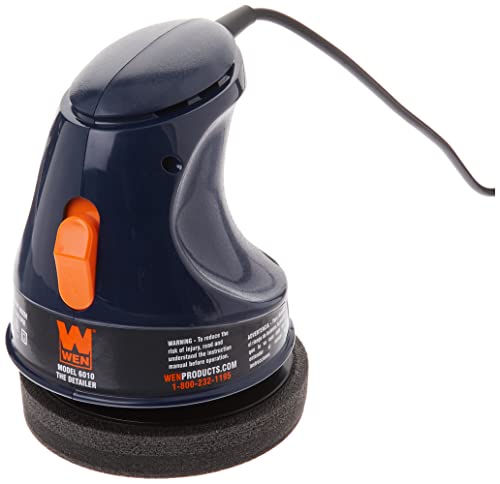
- Lightweight 3.4-pound design
- Includes two 6-inch bonnets
- Simple 3,500 RPM operation
Best For: Occasional home waxing and polishing
Cordless Control
DEWALT DCM849B 20V MAX XR Polisher
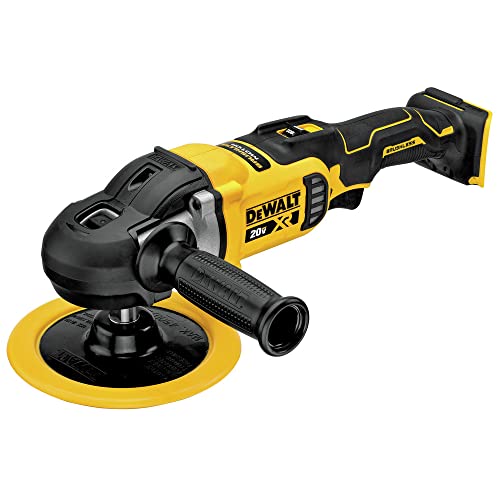
- Brushless cordless 20V MAX design
- 800–2,200 RPM variable-speed range
- Includes 7-inch backing plate and handles
Best For: Mobile detailing and DEWALT battery users
Full Kit Value

- 1,700-watt motor with seven speed settings
- Includes 6-inch and 7-inch backing plates
- Comes with foam, wool, and sanding accessories
Best For: DIY users wanting a versatile detailing kit
Best All-Around Kit
KITLUCK 1400W Variable-Speed Rotary Polisher

- 1,400W motor with 800–3,500 RPM range
- Seven speeds for waxing through correction
- Includes varied pads, handles, and storage bag
Best For: DIY detailers wanting a versatile, ready-to-use kit
Best Accessory Bundle
SPTA 7-Inch Variable-Speed Rotary Polisher

- 500–3,000 RPM range with six speed settings
- Multiple backing plates and pads from 3 to 7 inches
- Includes compounds, sandpaper, cleaning tools, and bag
Best For: Detailers seeking a broad, multi-size accessory package
Best for Controlled Correction
AVID POWER 1200W Rotary Polisher

- 1,200W motor with 1,000–3,500 RPM range
- Six speeds for waxing, polishing, and correction
- Includes multiple grips, pads, wool bonnet, and sandpaper
Best For: Users wanting balanced control for automotive paint care
Powerful All-Rounder

- 1600W motor for oxidation and scratch removal
- Seven speeds from 1,000–3,500 RPM
- Multiple handles and pads included
Best For: DIY detailers seeking versatile vehicle and household-surface polishing
Detailing Control Pick

- Seven speeds up to 3,600 RPM
- Speed lock for consistent large-panel work
- Quick-change pads and two handle options
Best For: DIY detailers who prioritize controlled, efficient polishing workflows
Maximum Motor Power
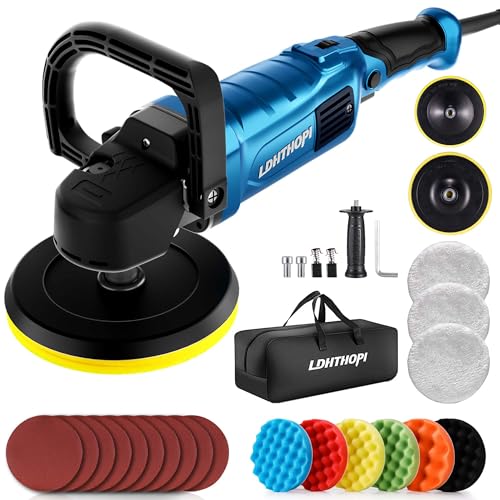
- 1800W pure copper motor
- 750–3,100 RPM across six speeds
- Seven pads for coarse to fine work
Best For: Users seeking a high-power buffer for vehicle correction and workshop projects
Professional Power – DEWALT DWP849X Variable-Speed Buffer
For demanding rotary car polishers work, the DEWALT DWP849X combines a 12-amp motor with variable trigger and dial controls. Its 0–3,500 RPM range, durable construction, and included handles make it suited to extended detailing and surface-conditioning tasks.
Best For: Professional or serious DIY users who want a powerful corded rotary polisher for cars, boats, and other exterior surfaces.
Pros:
- 12-amp motor with speed control up to 3,500 RPM
- All-ball-bearing construction and steel gears support durability
- Includes hook-and-loop backing pad, bale handle, and straight side handle
- Wool-ingestion shield and pop-off brushes help protect the tool
Cons:
- Corded design limits mobility compared with battery-powered models
- At 6.7 pounds, it may feel substantial during long sessions
- Its high power may be more than casual waxing requires
The DWP849X is a robust choice when control, durability, and sustained power matter more than compact size. The three-year warranty is an added advantage for frequent users.
Simple Waxing Pick – WEN 6010 6-Inch Waxer/Polisher
The WEN 6010 is a compact option among rotary car polishers for basic waxing and polishing. Its 6-inch format, 3,500 RPM motor, and contoured grip keep the design straightforward for occasional garage use.
Best For: Home users who need a lightweight corded waxer for routine vehicle care and general polishing.
Pros:
- Lightweight 3.4-pound design is easy to handle
- 6-inch size is practical for general vehicle waxing
- Includes applicator and terry cloth bonnets
- Lockable on/off switch supports continuous operation
Cons:
- Its 0.5-amp, 60-watt motor is less powerful than heavy-duty models
- Single 3,500 RPM speed offers less control for varied correction work
- Corded operation requires access to an outlet
This WEN favors simplicity and low weight over professional-grade versatility. It is a sensible fit for applying wax and handling light polishing rather than intensive paint correction.
Cordless Control – DEWALT DCM849B 20V MAX XR Polisher
DEWALT 20V MAX* XR Cordless Polisher, Rotary, Variable Speed, 7-Inch, 180 mm, Tool Only (DCM849B)
Check Price On AmazonThe DEWALT DCM849B brings cordless flexibility to rotary car polishers, with a brushless motor and adjustable speed from 800 to 2,200 RPM. Its trigger-and-dial controls and 7-inch backing plate provide useful control for mobile or outlet-free detailing.
Best For: Detailers who prioritize cordless mobility and already use DEWALT 20V MAX batteries.
Pros:
- Brushless motor is designed for efficient performance and runtime
- Cordless 20V MAX format improves freedom of movement
- Variable trigger and dial support step-by-step speed control
- Includes 7-inch backing plate, side handle, and bail handle
Cons:
- Tool-only package does not include a battery or charger
- Maximum 2,200 RPM is lower than several corded alternatives
- Battery runtime depends on the selected DEWALT battery
This is a practical choice for users already invested in DEWALT’s 20V platform. Its lower speed range favors controlled polishing, while the cordless design makes work around vehicles more convenient.
Full Kit Value – ENEACRO 1700W Rotary Polisher
The ENEACRO is a versatile entry in rotary car polishers, pairing a 1,700-watt motor with seven speed settings from 1,300 to 3,500 RPM. Its broad accessory package supports waxing, polishing, sanding, and oxidation removal on vehicles, boats, furniture, ceramics, and metal.
Best For: DIY detailers who want one corded machine with multiple pads, backing plates, and sanding accessories.
Pros:
- Powerful 1,700-watt motor with seven selectable speeds
- Lightweight 5.5-pound body with D-handle and side handle options
- Includes 6-inch and 7-inch backing plates, foam wheels, wool disc, and sandpapers
- Lock button helps maintain speed during longer tasks
Cons:
- Corded design restricts working range
- Accessory-heavy kit may be more than users seeking simple waxing need
- Rotary operation requires careful speed and pad selection to avoid mistakes
The ENEACRO offers strong versatility and useful included accessories at a relatively manageable weight. It is appealing for users building a broader detailing setup, especially those who also work on boats or non-automotive surfaces.
Best All-Around Kit – KITLUCK 1400W Variable-Speed Rotary Polisher
For shoppers comparing rotary car polishers, the KITLUCK Buffer Polisher stands out as a well-equipped corded option with 1,400 watts, seven speed settings, and a broad assortment of pads. Its 800–3,500 RPM range covers routine waxing through more demanding correction work.
Best For: DIY detailers who want one versatile rotary polisher for cars and occasional furniture, marble, tile, or floor work.
Pros:
- Seven variable speeds support waxing, polishing, buffing, and defect removal.
- Includes foam, wool, and microfiber pads in multiple sizes.
- D-handle, side handle, and rubber anti-vibration grip support longer sessions.
- Comes with a protective organizer bag and replaceable carbon brushes.
Cons:
- It is a corded tool, so operation requires access to a power outlet.
- The extensive accessory kit may be more than needed for occasional users.
With its strong motor, adjustable speed range, and generous accessory package, the KITLUCK is a practical all-purpose pick. The included handles and storage bag add useful convenience for larger detailing jobs.
Best Accessory Bundle – SPTA 7-Inch Variable-Speed Rotary Polisher
The SPTA 7-inch rotary polisher is aimed at buyers who want a complete detailing package rather than a bare tool. Its six-speed dial covers 500–3,000 RPM, while the included backing plates, pads, compounds, sandpaper, and cleaning accessories provide flexibility for different automotive tasks.
Best For: Detailers who value a large accessory selection and multiple pad and backing-plate sizes.
Pros:
- Six variable speeds with digital screen indication allow precise adjustments.
- Includes 3-, 5-, 6-, and 7-inch backing plates and several pad types.
- Comes with compounds, sandpaper, cleaning cloths, a glove, apron, and storage bag.
- Detachable side handle and D-handle offer two grip configurations.
Cons:
- The 6.6-pound weight may feel substantial during extended use.
- The large accessory bundle may require extra organization and setup.
SPTA’s main advantage is versatility: the wide range of included accessories lets users tailor the setup to different surfaces and stages of a detailing job. It is a particularly appealing choice for buyers building a more complete polishing workstation.
Best for Controlled Correction – AVID POWER 1200W Rotary Polisher
The AVID POWER rotary polisher offers a focused combination of power, speed control, and handling features for automotive polishing. Its 1,000–3,500 RPM range and six-speed adjustment accommodate waxing, polishing, and paint-correction tasks, while the included 6- and 7-inch components add setup flexibility.
Best For: Car owners and detailers who want a balanced rotary polisher with multiple grip options and a practical starter kit.
Pros:
- High-torque 1,200W copper motor supplies consistent power for detailing work.
- Six speeds cover lower-speed waxing and higher-speed correction applications.
- Includes D-handle, side handle, and front-cover grip options.
- Kit includes polishing pads, wool bonnet, sanding papers, and two backing-plate sizes.
Cons:
- It is a corded model and cannot be used without a suitable power source.
- The kit is centered on 6- and 7-inch accessories rather than smaller polishing setups.
The AVID POWER is a sensible middle-ground option for users who want adjustable control without an overly complicated package. Its multiple grips and included accessories make it suitable for both occasional paint care and more involved detailing sessions.
Powerful All-Rounder – 1600W 7-Inch Rotary Buffer
For shoppers comparing rotary car polishers, the LDHTHOPI 1600W model offers strong correction power, seven speed settings, and flexible handling. Its 1,000–3,500 RPM range supports tasks from sanding and oxidation removal to polishing and waxing, while the included pads help cover multiple stages of paint care.
Best For: DIY detailers who want a versatile rotary polisher for vehicles and other household surfaces.
Pros:
- Powerful 1600W motor is designed for oxidation, scratches, and stains.
- Seven variable speeds provide control from 1,000 to 3,500 RPM.
- Can be used with no handle, a D-handle, or a side handle.
- Includes multiple foam, wool, and sanding pads for different jobs.
Cons:
- Requires cooling breaks after extended use to help prevent motor overheating.
- The corded 110V design limits use to locations with AC power.
- A powerful rotary action may require careful pressure and speed control on delicate paint.
This is a well-equipped choice if you want one rotary car polisher for correction, finishing, and occasional work on boats, furniture, floors, or metal. Its handle options and broad accessory selection add practical versatility, though users should follow the recommended duty-cycle guidance.
Detailing Control Pick – SEESII 1600W Rotary Polisher
Among rotary car polishers, the SEESII combines a 1600W pure copper motor with seven speeds, a lock button, and detachable handles. The design is aimed at DIY detailers who want to move between compounding, scratch correction, polishing, and waxing without repeatedly holding the trigger.
Best For: Hobbyist detailers working on larger vehicles or switching frequently between polishing stages.
Pros:
- Seven adjustable speeds from 1,000 to 3,600 RPM support varied detailing tasks.
- Speed-lock button can help maintain a consistent pace across large panels.
- Includes both D-handle and side-handle options for added balance.
- Quick-change hook-and-loop pad system simplifies pad swaps.
Cons:
- Recommended operation includes a 10-minute cool-down every 30 minutes.
- The kit’s stated pad selection is more limited than some multi-pad packages.
- As a rotary tool, it can require practice to manage on delicate paint surfaces.
The SEESII stands out for workflow-focused features: a speed lock, quick-change pads, and dual-handle setup. It is a practical fit for garage or mobile detailing, while its multi-surface design also extends to boats, furniture, wood, metal, marble, and flooring.
Maximum Motor Power – 1800W Six-Speed Rotary Buffer
If you need rotary car polishers with a higher stated power rating, the LDHTHOPI 1800W model pairs a pure copper motor with six speeds from 750 to 3,100 RPM. Its lower starting speed is suited to waxing and polishing, while higher settings target buffing, paint defects, and oxidation.
Best For: Users wanting a high-power rotary buffer with clearly separated speed ranges for different correction and finishing tasks.
Pros:
- 1800W pure copper motor provides the highest stated power in this selection.
- Six-speed control spans 750–3,100 RPM for waxing, polishing, buffing, and defect removal.
- Seven polishing pads are organized by coarse, medium, and fine applications.
- Anti-scald cover, detachable handles, and self-locking switch support usability.
Cons:
- Its higher power may be more than beginners need for light polishing.
- The corded 110V format requires access to an AC outlet.
- Users still need to manage pressure and speed carefully to avoid overworking paint.
This model is compelling for buyers who value motor output and a broad speed range. The included pad assortment and accessories make it ready for vehicle correction, while compatibility with furniture, tile, plastic, wood, aluminum, and steel adds value for broader workshop use.
How We Picked These Rotary Car Polishers
We focused on the features that most affect real-world detailing: motor output, variable-speed range, pad and backing-plate compatibility, handling, included accessories, and power source. We also considered whether each tool is better suited to occasional home detailing, regular enthusiast use, or heavier correction work.
Because rotary polishers transfer direct rotational force to the pad, controllability matters as much as headline wattage. Models with soft starts, broad speed adjustment, comfortable handles, and reliable support earned stronger consideration than tools that simply advertise high power.
Quick Comparison
| Best For | What to Look For |
|---|---|
| Heavy paint correction | High-output motor, stable speed control, 6- or 7-inch pad support |
| Occasional home detailing | Manageable size, included pads, simple controls, reasonable price |
| Large vehicles or boats | Variable speed, auxiliary handle, durable corded motor |
| Working without a cord | Battery compatibility, balanced design, spare batteries |
| Finishing and waxing | Low-speed control, smooth startup, compatible soft pads |
Key Buying Factors for Rotary Car Polishers
Speed Range and Control
A wide variable-speed range lets you use lower settings for spreading polish or applying wax and higher settings for more aggressive correction. A soft-start feature is especially helpful because it reduces product sling and makes the tool easier to control when the pad first contacts the paint.
Motor Power and Pad Size
Higher power can help maintain pad speed under load, but it also usually means more weight and heat. Six- and seven-inch systems are versatile for vehicles, while smaller pads are easier to maneuver around trim, contours, and tight areas. Confirm that replacement backing plates and pads are readily available.
Ergonomics and Included Equipment
Look for a comfortable side or D-handle, accessible speed controls, and a balanced body. Included wool or foam pads, backing plates, sanding discs, and storage cases can add value, but inspect their quality and plan to purchase dedicated finishing pads if needed.
Corded Versus Cordless Power
Corded tools provide consistent output for long correction sessions and are generally the better choice for garages or professional work. Cordless models improve mobility and eliminate cord management, but battery cost, runtime, charging time, and added weight should be part of the decision.
Who Should Buy Which Rotary Car Polishers?
Choose a higher-powered DEWALT or similar heavy-duty rotary if you regularly correct neglected paint, work on multiple vehicles, or need dependable performance under sustained load. A cordless DEWALT is a strong fit for users who already own compatible batteries and prioritize mobility.
For occasional detailing, waxing, and light correction, a compact WEN or one of the included-kit models may offer the best balance of price and convenience. ENEACRO, KITLUCK, AVID POWER, LDHTHOPI, SEESII, and SPTA options are worth considering when you want broad speed adjustment and accessories in one package.
Whichever model you choose, start at a low speed, use the correct pad and compound, keep the tool moving, and practice on an inconspicuous area before tackling prominent panels.